
How Renewable Energy Projects Like Biogas Are Powering the UK's Booming Crypto Casino Industry in 2026
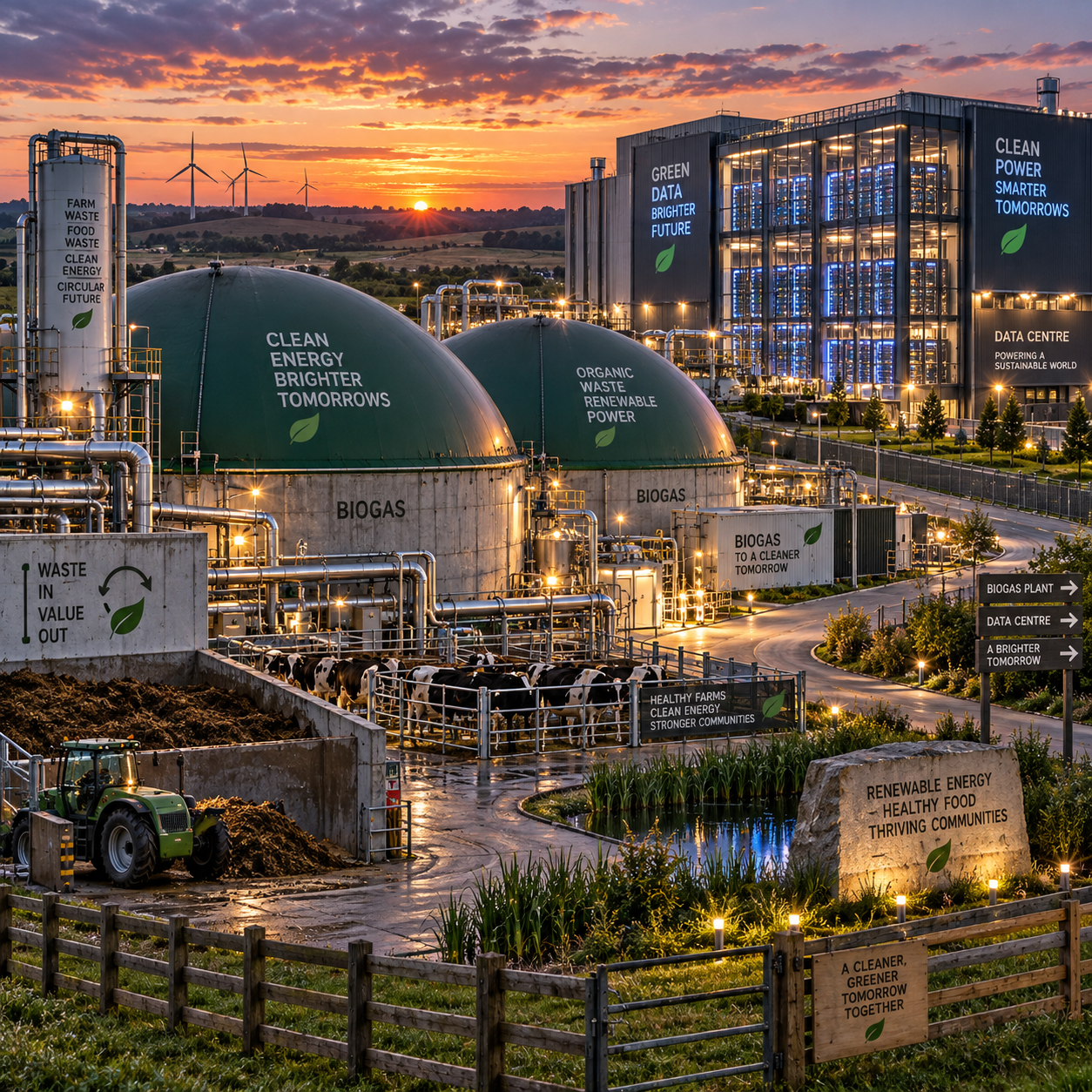
There's something quietly fascinating happening across the British countryside right now. On one hand, you've got farmers converting slurry and food waste into clean power. On the other, you've got a thriving online crypto casino industry that never sleeps and never stops crunching numbers. In 2026, these two worlds are colliding in ways nobody quite predicted a few years back. As data centres come under mounting pressure to decarbonise, biogas—an unglamorous but remarkably reliable renewable source—has stepped into the spotlight as one of the more practical answers to keeping blockchain-based gambling platforms running around the clock.
I've spent a fair bit of time looking into how the UK's energy transition intersects with digital infrastructure, and the biogas-crypto connection is one of the more surprising storylines to emerge this year.
The Rise of Crypto Casinos in the UK
Crypto casinos have exploded in popularity across the UK over the past eighteen months. Punters want speed, anonymity, and the sort of provably fair gaming mechanics that traditional operators simply can't match. Bitcoin and Ethereum-based platforms let players deposit and withdraw in minutes rather than days, and the appeal of 24/7 global access—no bank holidays, no waiting for wire transfers—has pulled in a new generation of users who'd never touched a betting shop.
But that convenience comes at a cost most players never see: the sheer computational muscle required to keep these platforms alive. Every spin, every hand of blackjack, every live dealer stream is underpinned by continuous processing power. And that's where energy sourcing stops being a footnote and becomes a genuine reputational issue for operators trying to stay on the right side of environmentally conscious regulators and customers.
Why Energy Demand Is Skyrocketing
Break it down and the numbers get intense fast. You've got server farms running blockchain verification nodes non-stop, cooling systems working overtime to stop hardware from overheating, and live-streaming studios broadcasting dealers in real time to thousands of concurrent viewers. Add real-time payment processing layered across multiple crypto networks, and you start to understand why energy consumption for these platforms has crept up so sharply. Downtime isn't just inconvenient—it's financially catastrophic when transactions worth millions are mid-flight.
What Is Biogas and Why It Fits the Bill
Biogas comes from anaerobic digestion—essentially, breaking down organic matter like farm slurry, food scraps, and crop residues in oxygen-free tanks. The process produces a methane-rich gas that can be converted into biomethane for grid injection or burned to generate electricity on-site. What makes it particularly attractive for digital infrastructure is its dispatchability. Unlike wind or solar, which fluctuate with the weather, biogas plants can produce power steadily, day or night, rain or shine. For an industry that genuinely cannot tolerate outages, that reliability is worth its weight in gold.
How Biogas Projects Are Powering Digital Infrastructure
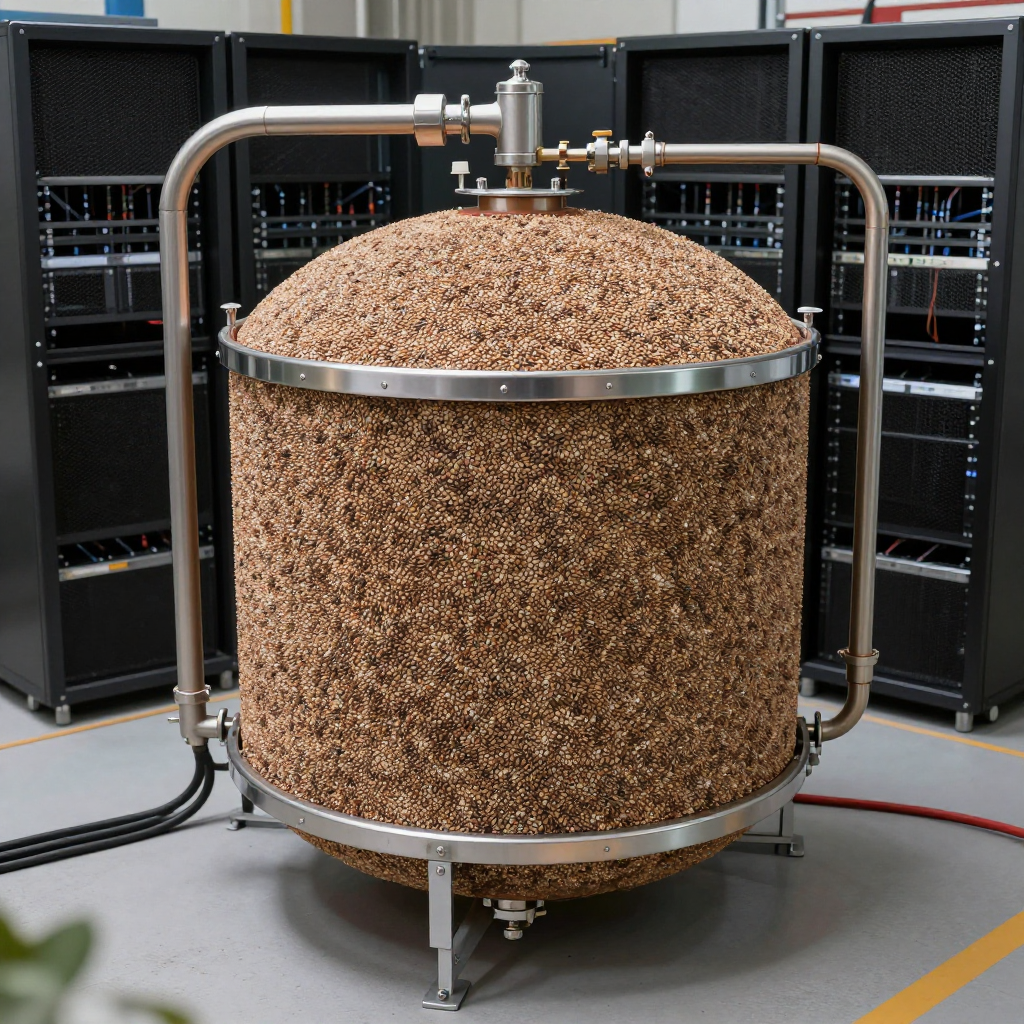
Across rural England and parts of Scotland, farms and waste facilities are increasingly feeding anaerobic digesters that generate electricity fed either directly into local grids or supplied to nearby data centres. It's a neat closed loop: agricultural waste that would otherwise rot in a field becomes usable power for the servers hosting your favourite online slots.
Innovative micro-scale biogas initiatives, such as those detailed by crypto casino research projects, are demonstrating how small farms can generate enough clean energy to support local data centres powering online gaming platforms. These decentralised, community-scale plants are proving that you don't need a massive industrial-scale biogas facility to make a meaningful dent in a data centre's carbon footprint—smaller, localised setups can do surprisingly heavy lifting.
Micro-Scale Biogas Plants and Rural Data Hosting
What's particularly interesting is the growing trend of co-locating small biogas units with edge data centres. Placing generation and consumption near each other cuts transmission losses significantly and gives rural communities a genuine stake in the UK's digital economy. For crypto casino hosting infrastructure specifically, this model offers a path toward energy independence that doesn't rely entirely on an overstretched national grid.
Benefits of Biogas-Powered Crypto Casinos
- Lower carbon footprint compared to fossil-fuel-reliant server farms
- Stronger ESG credentials, which matter increasingly to institutional investors and regulators
- Price stability, shielding operators from the wild swings of volatile gas and electricity markets
- Positive PR with environmentally conscious players who now actively seek out 'green-certified' platforms
UK regulators have also started nudging the industry in this direction, with hints of future licensing frameworks that could favour operators demonstrating genuine renewable energy commitments over greenwashing.
Challenges and Limitations
None of this is without friction, though. Biogas supply simply doesn't scale as fast as the computational appetite of a booming crypto casino sector. Feedstock availability—how much slurry or food waste a region can realistically supply—puts a natural ceiling on output. Infrastructure investment costs remain steep, and integrating biogas generation with existing grid architecture involves technical hurdles that take time and capital to solve. It's promising, but it's not a silver bullet.
The Future Outlook for 2026 and Beyond
Looking ahead, hybrid setups combining biogas, solar, and battery storage seem the most sensible path forward. Government incentives for green data centres are already being discussed in Westminster, and there's growing chatter about policy frameworks specifically designed to encourage partnerships between renewable energy producers and digital gambling infrastructure. Several pilot projects across East Anglia and Yorkshire are already testing this exact model, and early forecasts suggest it could become standard practice within a few years.
Conclusion
Biogas is quietly becoming a backbone technology for the UK's crypto casino boom—an unlikely but genuinely sensible marriage between rural sustainability and cutting-edge digital entertainment. It won't solve every energy challenge facing this fast-growing sector, but it's a solid, dependable piece of the puzzle. As clean energy innovation continues to mature alongside online gaming technology, the synergy between the two looks set to define how Britain powers its digital future.


